Security cameras are vital in safeguarding homes, deterring intruders, and giving peace of mind. The decision often narrows down to wireless vs wired cameras. Each system offers distinct features and capabilities catering to different security requirements. As technology advances, these surveillance systems evolve, offering enhanced functionality and user experience. A comparison of their performance, reliability, and cost is imperative. By delving into the nuances of each, homeowners can make informed choices regarding technology, cost-effectiveness, and overall suitability. Evaluating factors such as installation complexity, video quality, and power requirements further aids in the decision-making process. In this blog, we unravel the intricacies of wireless and wired security cameras, helping you select the optimal setup for your home security needs.
How Wireless and Wired Security Cameras Work
What Defines a Wireless Security Camera
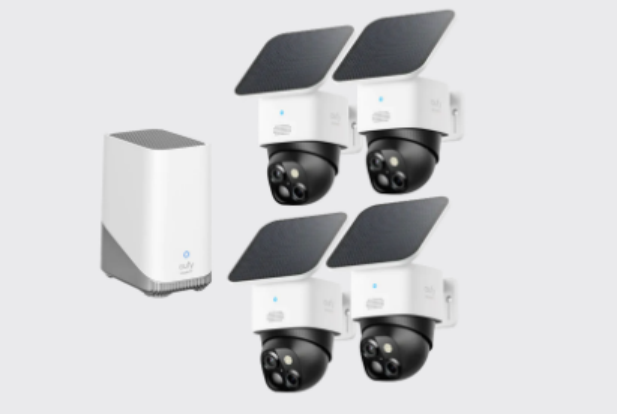
Wireless security cameras transmit video and audio signals through Wi-Fi. They capture footage similarly to traditional cameras but without the need for a physical wired connection. This technology allows them to send recordings to a cloud server or a storage device connected to the internet. The main appeal of wireless cameras lies in their flexibility and ease of installation. They can be effortlessly relocated and configured to cover various parts of a property. Powering these devices can be through batteries or connection to a power source, offering further adaptability. However, their reliance on Wi-Fi makes them susceptible to signal interference and cyber threats. Proper encryption and strong passwords are essential to maintain the integrity of the surveillance system. Regular updates help prevent vulnerabilities.
What Makes a Wired Security Camera Different
Wired security cameras use cables for both power and video transmission. Typically connected to a Digital Video Recorder (DVR) or Network Video Recorder (NVR), they guarantee stable video quality without latency issues. Their dependency on physical connections ensures reliable and uninterrupted video recording and transmission. These cameras are ideal for individuals prioritizing consistent performance over flexibility. Installation can be more complex and time-consuming due to the requirement of running cables through walls or ceilings, demanding professional setup in most cases. But once installed, they are less prone to hacking and interference compared to their wireless counterparts. Wired systems often include additional features like night vision and motion detection, making them a robust choice for long-term security. Their maintenance involves periodic checks to ensure all connections remain secure.
Performance Comparison — Wireless vs Wired Cameras
Video Quality, Power, and Reliability Differences
Video quality is a paramount concern for security cameras. Wired cameras deliver consistent high-quality video due to a direct connection. They don’t suffer from bandwidth-related issues typically experienced by wireless cameras. Wireless systems, contingent on Wi-Fi, may experience dips in quality due to network congestion or weak signals. Consequently, wired cameras often emerge superior in terms of video clarity and continuity. Power source stability in wired cameras further amplifies their reliability. They operate continuously, eliminating the need for regular battery checks or replacements. Conversely, wireless cameras, while innovative in power solutions like solar or rechargeable batteries, require active monitoring to ensure they remain operational. The reliance on local electricity also safeguards wired systems against frequent downtimes experienced by wireless setups. Reliable and steady surveillance data is critical for examining incidents thus expansive wired networks are preferable for long term surveillance commitment.
Installation, Maintenance, and Flexibility Factors
One of the key benefits of wireless cameras is their ease of installation. They don’t require cabling throughout the house, thus can be set up quickly and relocated with ease. This flexibility appeals especially to renters or those anticipating frequent layout changes. Helmed by revolutionary design, some wireless cameras function simply as plug-and-play devices. In contrast, wired cameras demand a more involved installation process, potentially involving professional help for optimal setup. They require pre-planning for cable placement, which could extend installation timeframes. Maintenance varies significantly between the two options. Wireless cameras necessitate regular battery checks and firmware updates to remain effective against emerging security threats. Wired cameras, comparatively, have minimal maintenance once adequately set up. They operate perpetually on connected power, simplifying ongoing upkeep.
Choosing the Right Option for Your Home Security
When Wireless Cameras Are the Better Choice
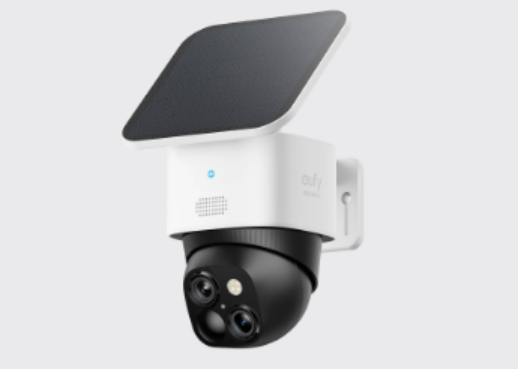
Wireless cameras are advantageous in scenarios demanding flexibility and quick setups. Ideal for rental properties or temporary surveillance scenarios, these cameras can be swiftly installed without the need for structural alterations. Their minimalistic setup requirements also make them suitable for smaller homes or apartments. The ability to connect to the internet allows for real-time alerts regardless of location, a boon for those frequently on the move. Homeowners seeking a futuristic approach can benefit from their integration with smart home ecosystems and mobile devices. Their relatively lower initial cost is appealing for budget-conscious individuals not wanting to commit significant upfront investments. In environments with robust Wi-Fi connectivity, their performance aligns adequately with most home security needs, offering convenience and moderate reliability.
When Wired Cameras Make More Sense
Wired cameras shine in settings where consistency and reliability are non-negotiable. For extensive properties demanding comprehensive surveillance coverage, the enduring performance of wired systems is unmatched. These cameras are crucial for areas prone to frequent network disturbances or those requiring high-resolution recordings like businesses or remote locations. The assurance of a constant power supply translates into uninterrupted surveillance, indispensable for critical security needs. If video quality is a high priority, such as in monitoring high-risk zones, the steady connection supplied by cables is preferable. Wired systems are also less susceptible to hacking, bolstering security for sensitive environments. While installation costs and effort may be higher, the long-term peace of mind and security they provide outweigh initial challenges, making them a logical choice for dedicated and expansive security requirements.
Conclusion
Choosing between wireless and wired security cameras depends largely on individual security requirements, installation capabilities, and budget. Wireless cameras, with their flexibility and integration features, fit well into modern, adaptable lifestyles. They provide an accessible entry point into home surveillance for many users. Meanwhile, wired systems deliver unmatched reliability and performance, beneficial for those requiring robust, continuous surveillance coverage. Understanding the nuances and capabilities of each system ensures homeowners can align their investment with their security objectives, ultimately safeguarding their property and providing peace of mind. Whether opting for convenience or reliability, either choice can enhance home security significantly with thoughtful consideration.