PTZ cameras are built to handle dynamic viewing tasks, but low-light environments introduce challenges that require strong optics, controlled movement, smart processing, and consistent illumination. When a PTZ security camera operates in dim rooms or nighttime conditions, it relies on a combination of aperture size, infrared lighting, motion algorithms, and zoom coordination to maintain clear visibility. Indoor models such as the Indoor Cam S350 demonstrate how advanced sensors, dual-camera design, and intelligent tracking allow PTZ systems to capture sharp details even when light levels drop. Understanding these internal processes helps users choose models that remain reliable around pets, children, and activity zones after dark.
The Optical Technologies That Define Low-Light Performance
Large Apertures That Capture More Detail in Dim Spaces
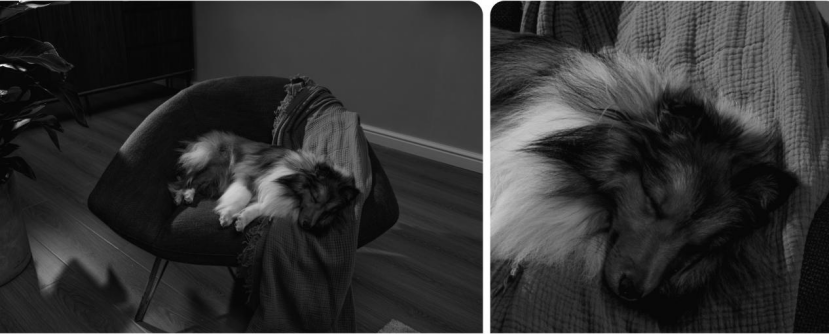
A large aperture is one of the most important elements of low-light imaging. A wider opening allows more light to reach the sensor, which helps maintain clarity and keeps noise levels low. In PTZ cameras, this becomes even more important because the device often zooms or shifts across the room. When the aperture is large—such as the f/1.6 aperture found in the Indoor Cam S350’s sensor—the camera gathers enough light to reveal facial features, fabric texture, and movement cues even in poorly lit areas. This improves visibility across nurseries, living rooms, and hallways where nighttime lamps may be the only illumination.
Infrared Systems That Extend Vision Beyond Visible Light
Low-light performance depends heavily on how efficiently a PTZ camera uses infrared (IR) illumination. Most indoor PTZ devices rely on IR LEDs to brighten the scene invisibly. Adaptive IR, in particular, regulates brightness based on distance, which reduces glare and preserves detail when subjects move closer to the lens. The Indoor Cam S350 relies on two adaptive IR lights to maintain clarity up to 32 ft, meaning the camera adjusts lighting as pets approach, children walk toward the sensor, or adults move across a dim room. This adaptability prevents overexposure while ensuring consistency in every frame.
Dual-Lens Coordination That Enhances Depth and Precision
When a PTZ camera includes both wide-angle and telephoto lenses, it maintains image quality across different distances. This becomes especially important in low-light conditions, where zoomed images can lose sharpness. A dual-camera system like the S350’s 4K wide-angle paired with a 2K telephoto lens ensures the camera gathers light efficiently while preserving detail during 8× hybrid zoom operations. The wide-angle lens captures general context with strong light sensitivity, while the telephoto lens focuses on distant subjects without excessive noise. By blending these perspectives, the device creates accurate nighttime footage whether someone is near the crib, sitting on the sofa, or moving in a hallway.
The Intelligent Processing Systems That Keep Footage Clear
Noise-Reduction Algorithms That Stabilize Dark Footage
Every PTZ camera must process noise, random grain that appears in dark conditions. Intelligent noise-reduction algorithms help smooth these inconsistencies without erasing important detail. Modern PTZ systems evaluate motion patterns, edge contrast, and illumination levels to determine what should remain in the frame. The Indoor Cam S350’s imaging pipeline applies this processing automatically, making footage easier to review and more accurate during nighttime motion alerts. With reduced distortion, users can see whether a pet jumped off a chair or a child woke up and moved toward the hallway.
AI-Based Tracking That Maintains Clarity on Moving Subjects
Tracking movement in low light is challenging because shadows, reflections, and dim backgrounds can confuse basic motion detection. AI-powered tracking improves clarity by identifying shapes, trajectories, and behavioral cues. The S350’s algorithm follows family members or pets smoothly, keeping them centered even as lighting changes across the room. When the camera pans, tilts, or zooms in low light, AI maintains consistent focus and avoids jitter. This coordination prevents the camera from losing its target, making nighttime footage both stable and reliable across long monitoring sessions.
Exposure Balancing That Protects Highlights and Shadows
Low-light scenes often include bright spots—such as night lights, hallway lamps, or light leaking through a doorway. PTZ cameras must manage these contrast extremes so faces and objects remain visible. Exposure balancing lets the camera evaluate bright and dark areas simultaneously, adjusting its sensitivity in real time. By controlling highlights and revealing shadow detail, the device keeps nighttime footage natural instead of washed out or overly dark. Indoor models with strong optical control, such as the S350, use exposure adjustments to show accurate skin tone, pet fur texture, and small movements in dim rooms.
Conclusion
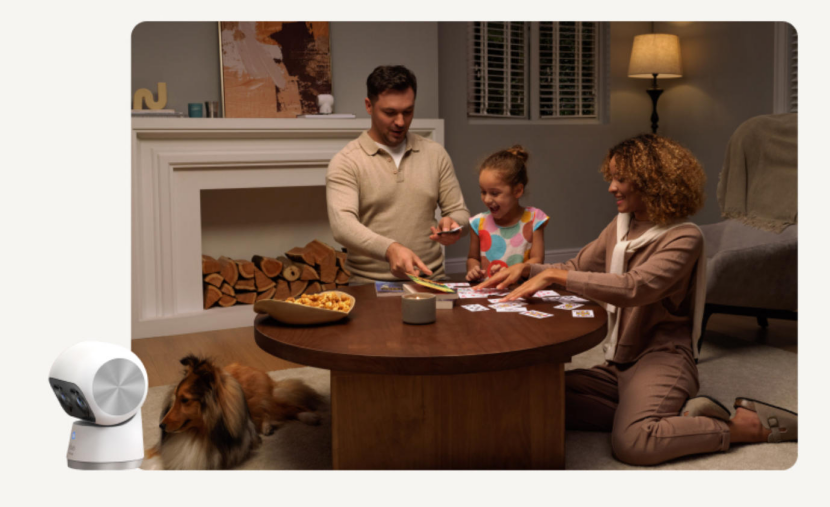
PTZ cameras excel in low-light environments when they combine wide-aperture lenses, adaptive infrared illumination, coordinated dual-camera systems, and intelligent image processing. These elements stabilize footage, enhance clarity, and ensure accurate tracking even when lighting is minimal. The Indoor Cam S350 demonstrates how a modern PTZ system can preserve detail up to 32 ft, manage movement smoothly with AI tracking, and maintain balanced exposure across dim or uneven lighting. By blending strong optics with smart software, PTZ devices provide dependable nighttime visibility that keeps homes monitored effectively without requiring constant user adjustment.