Nighttime is when visibility drops, shadows deepen, and front-door activity becomes harder to interpret. A doorbell camera must perform within these challenges, capturing visitors, packages, and motion with clarity even when the environment provides almost no light. Homeowners expect their doorbell to work as well at midnight as it does at noon, and that expectation shapes how modern devices are engineered. Advances in low-light processing, sensor logic, and multi-angle imaging enable doorbells to reveal important details without relying on harsh illumination. Devices such as the Video Doorbell E340 use their dual-camera structure and smart notification pairing with an Add-On Chime to support clear nighttime monitoring while remaining easy for homeowners to operate. Understanding how these systems maintain reliable visibility helps show why nighttime clarity has become a defining feature of effective home security.
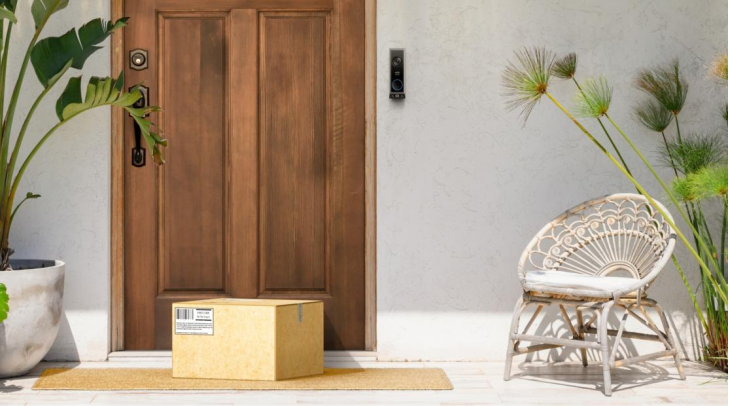
The Imaging Tools That Strengthen Nighttime Visibility
Low-Light Capture Designed for Human Identification
Nighttime visitors often appear in dim scenes where porch lights fail to reach or where shadows distort facial features. A strong doorbell system compensates by increasing sensor sensitivity, adjusting exposure intelligently, and prioritizing human recognition. Instead of washing a scene in bright light, it lifts essential details—faces, silhouettes, and movement direction—while maintaining the natural darkness around them. For example, doorbells with dedicated human-focused lenses, such as the front-facing camera on the E340, emphasize clarity where it matters most: the area directly in front of the door. This targeted approach keeps visitors identifiable without overwhelming the image with noise or exaggerated contrast. Homeowners gain dependable nighttime awareness without altering their outdoor lighting environment.
Two Angles Working Together in the Dark
A single camera frequently struggles when depth, shadows, and tight spaces combine at night. Dual-camera doorbells handle this by dividing responsibilities. One lens focuses on approaching visitors, while a second lens monitors the doorstep where packages sit. The downward-facing camera on the E340 is particularly effective after sunset because it observes a zone that porch lights often overlook. Even when a visitor steps aside or low illumination hides the doorstep, the second lens confirms what is happening close to the threshold. The system provides context and continuity, presenting a complete understanding of nighttime activity from two coordinated viewpoints without requiring users to reposition the device.
Subtle Illumination and Smart Processing
Nighttime clarity depends not only on image sensors but also on the processing that refines the final view. Modern doorbells apply algorithms that distinguish movement from darkness, sharpen edges, and maintain visibility without introducing artificial glare. This balance allows the device to capture clean, informative footage even when ambient light is almost nonexistent. When combined with the dual-view structure of the E340, the result is imaging that remains steady and readable, supporting security awareness long after the sun goes down. The device works quietly in the background, ensuring nighttime footage remains usable without drawing attention with bright external lighting.
The Alerting and Interaction Tools That Support Nighttime Awareness
Motion Detection Built for Dark Environments
Nighttime activity often looks different from daytime movement—slower, more shadowed, and sometimes partially hidden. Doorbells designed for nighttime detection adjust their sensing logic to handle these unique conditions. Instead of relying solely on visible cues, they read motion patterns, recognize approaching shapes, and filter passing vehicles or distant movement. This prevents late-night false alarms while ensuring important events prompt an immediate alert. When paired with an Add-On Chime, homeowners gain audible notification anywhere in the home, making nighttime alerts more convenient and less dependent on keeping a phone nearby. The system works together to create a calm, predictable experience while still responding when necessary.
Clear Presentation of Visitors and Deliveries
A nighttime visitor should be easy to identify, not a blurry outline. Dual-camera design helps maintain that clarity by giving the viewer two separate perspectives that remain visible even in low light. The forward-facing lens captures posture, clothing, and facial detail, while the downward-facing lens ensures that any package or object placed near the door is documented. This dual record becomes valuable during nighttime deliveries, late arrivals, or unexpected knocks. Instead of guessing from a single image, homeowners use two coordinated views to understand who approached, what they carried, and whether a package was left behind.
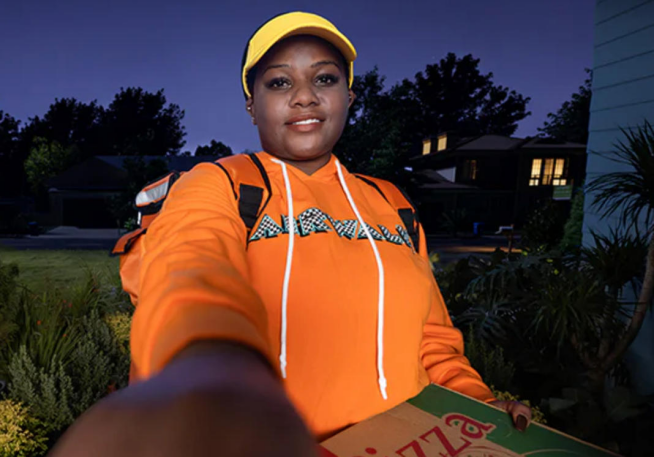
Simplified Setup That Encourages Nighttime Use
For nighttime clarity to matter, the system must actually be in place. Complicated installations slow adoption and reduce the likelihood that homeowners use advanced nighttime capabilities. A doorbell like the E340 addresses this with a straightforward setup: plug it in, connect to 2.4 GHz Wi-Fi, and activate the device with a few taps. When nighttime comes, the doorbell is already tuned to manage low-light visibility without extra user adjustment. This simplicity encourages long-term use and ensures nighttime features become a natural part of a home’s security routine.
Conclusion
Clear nighttime visibility defines the usefulness of a modern video doorbell. Strong low-light performance, coordinated dual-camera views, motion detection refined for darkness, and timely, audible alerts all contribute to dependable monitoring after sunset. Devices such as the Video Doorbell E340 illustrate how these components work together: the front-facing camera focuses on identifying visitors, while the downward-facing camera documents doorstep activity, giving homeowners a full picture even in near-darkness. When paired with an Add-On Chime, the system ensures important nighttime events are both seen and heard. By combining practical imaging tools with accessible setup and intuitive notifications, well-designed video doorbells offer nighttime clarity that enhances home security without demanding extra effort from the homeowner.